Garage doors are one of the most frequently used systems in a home, yet they are often overlooked until something stops working. Many homeowners open and close their garage doors multiple times each day without thinking about the complex system that makes that movement possible. A modern garage door system relies on carefully balanced components that work together to lift and lower a heavy structure safely and smoothly. Understanding garage doors, the different types available, the parts that make them function, and how to maintain them properly can help homeowners avoid unexpected repairs and extend the lifespan of their system.
Garage doors also play a larger role in a home than many people realize. They contribute to security by protecting vehicles and belongings stored inside the garage. They also influence the appearance of a property since the door often occupies a large portion of the home’s front exterior. In addition, garage doors affect daily convenience and energy efficiency, particularly in homes where the garage is attached to the main living space. When homeowners understand how garage doors function and what they require to stay in good condition, they are better prepared to maintain safe and reliable operation.
Why Garage Doors Are Important for Modern Homes
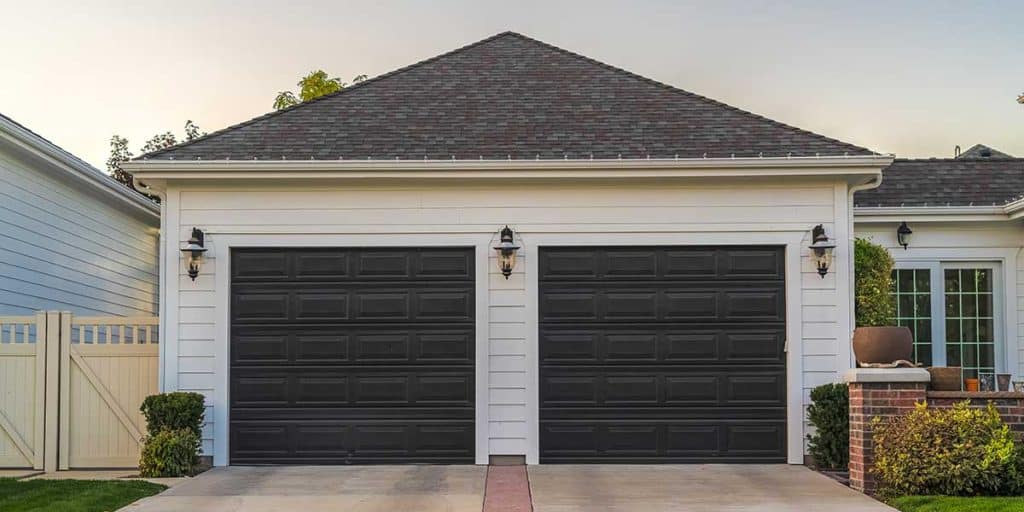
In many homes, the garage door is one of the most visible features of the property. Because it covers a large portion of the front exterior, the condition and style of the door can influence the overall appearance of the home. A well maintained garage door can improve curb appeal while also increasing the value of the property.
Garage doors also provide an important level of protection. They act as a barrier that secures vehicles, tools, and personal belongings stored inside the garage. Modern garage doors are designed with durable materials and safety features that help homeowners feel confident that their property is protected.
Convenience is another reason garage doors are essential. Many families use their garage entrance more frequently than the front door. This means the door must operate smoothly and reliably multiple times each day. A dependable garage door system allows homeowners to enter and exit their property easily while staying protected from outdoor weather conditions.
Energy efficiency can also be influenced by the type of garage door installed. Insulated doors help reduce heat loss during colder months and prevent warm air from entering during warmer seasons. For homes with attached garages, this insulation can help maintain a more consistent indoor temperature and reduce strain on heating and cooling systems.
Common Types of Garage Doors
There are several types of garage doors available today, each designed to meet different needs and preferences. The most common type used in residential homes is the sectional garage door. Sectional doors are made up of horizontal panels connected by hinges. As the door opens, these panels travel upward along vertical tracks and then move along horizontal tracks positioned near the ceiling. This design allows the door to open efficiently while conserving space.
Another option is the roll up garage door. These doors are commonly used in commercial environments but may also be installed in residential garages where space is limited. Roll up garage doors consist of narrow metal slats that roll into a compact coil above the garage opening. Because the door rolls upward instead of sliding along ceiling tracks, it requires less overhead clearance.
Side hinged garage doors offer a traditional appearance and operate differently from other styles. Instead of lifting upward, these doors swing open from the center like a pair of large doors. Side hinged models are sometimes used in garages that function as workshops or storage areas where overhead track systems may interfere with equipment or storage space.
Tilt up garage doors are another style that may still be found in older homes. A tilt up door is made from a single solid panel that tilts outward and upward during operation. While this design is less common in modern construction, many homes still use tilt up doors due to their straightforward design and durability.
Key Parts That Make Garage Doors Work
Garage doors operate through a system of interconnected components that work together to create controlled movement. One of the most visible parts of the system is the garage door panel. Panels form the outer structure of the door and provide both strength and visual appeal. They may be constructed from materials such as steel, aluminum, wood, or composite materials. Some panels include insulation to improve energy efficiency and reduce noise.
Garage door tracks are another essential part of the system. These metal rails guide the door as it moves upward and downward. Tracks are installed vertically along the sides of the garage opening and then curve horizontally toward the ceiling. Proper alignment of the tracks is critical because even small shifts can affect the smooth operation of the door.
Rollers allow the door to glide along the track system. These small wheels are attached to the sides of the door panels and move inside the track channels. Rollers help reduce friction and allow the door to move easily during operation. Over time, rollers may wear out and require replacement to maintain smooth performance.
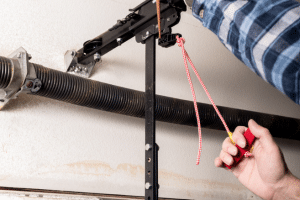
Springs play one of the most important roles in the entire system. Garage doors can weigh several hundred pounds, and springs provide the lifting force needed to balance that weight. Torsion springs are mounted above the door opening and use rotational force to assist with lifting. Extension springs are installed along the sides of the tracks and stretch to help raise the door. Both types store energy that helps counterbalance the door during movement.
Cables work together with the springs to support the weight of the door. These steel cables guide the door as it moves and maintain proper tension throughout the lifting process. Because cables operate under significant stress, they must remain in good condition to ensure safe operation.
The garage door opener provides automated control of the door. This device uses a motorized system that allows the door to open and close with the press of a remote or wall button. Many modern openers include safety sensors that prevent the door from closing if an object is detected in its path.
How Garage Doors Operate
Garage doors operate through a balance between mechanical components and motorized assistance. When the opener is activated, it pulls the door upward along the track system. At the same time, the springs provide lifting force that counterbalances the weight of the door.
As the door rises, rollers travel through the tracks while the panels fold or tilt depending on the door design. Once the door reaches the horizontal track position near the ceiling, it remains open until the opener is activated again.
When the door closes, the springs gradually release stored energy while guiding the door downward. The opener controls the movement while the tracks maintain alignment throughout the closing process.
Common Problems Garage Doors Can Develop
Like many mechanical systems, garage doors experience wear and tear over time. One of the most common problems is a broken spring. Springs are designed to handle thousands of operating cycles, but eventually they wear out. When a spring breaks, the door may become extremely heavy and difficult to lift.
Track misalignment can also create issues. If the tracks shift out of position, the rollers may struggle to move smoothly along the rails. This can lead to scraping noises or uneven door movement.
Worn rollers may also affect the performance of the door. As rollers deteriorate, they may create grinding sounds or cause the door to move less smoothly. Replacing worn rollers can often restore quiet and efficient operation.
Garage door openers may also develop problems. Electrical issues, sensor misalignment, or worn motor components can prevent the opener from functioning properly.
Basic Garage Door Maintenance Homeowners Should Know
Routine maintenance helps garage doors operate safely and reliably. One important step is performing occasional visual inspections. Homeowners should look for loose hardware, rust, or worn components that may indicate developing issues.
Lubrication is another key part of maintenance. Moving parts such as hinges, rollers, and springs benefit from occasional lubrication to reduce friction. Proper lubrication helps the door operate quietly and reduces strain on the system.
Checking the balance of the door is also helpful. A properly balanced garage door should remain in place when partially opened manually. If the door moves on its own, the springs may require adjustment.
Safety sensors should also be inspected to ensure they remain aligned and free from obstruction. These sensors help prevent accidents by stopping the door from closing when something is detected beneath it.
Need Professional Help With Your Garage Door?
Even with regular maintenance, garage doors eventually require professional attention. Springs, tracks, rollers, and openers must all function together with precision to ensure safe and reliable operation. When problems develop, experienced technicians can inspect the system and determine the most effective solution.
Ryder Garage Doors provides professional installation, repair, and maintenance services designed to keep garage doors operating smoothly and safely. Their team understands how each component of a garage door system contributes to performance and reliability. Whether a door requires adjustment, repair, or replacement, working with knowledgeable professionals helps ensure that the system continues to function properly and remains dependable for everyday use.