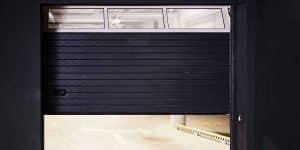
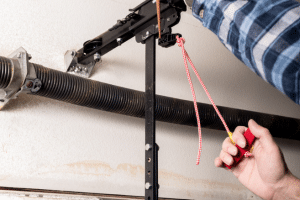
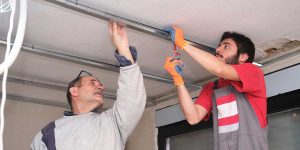
Garage door panels handle more wear than most homeowners realize. They face daily temperature changes, accidental bumps, weather exposure, and the constant motion of opening and closing. Over time, even well-maintained doors can show signs of panel damage such as dents, cracks, warping, or rust, leaving homeowners with an important decision to make. Should the panel be repaired, or is it time to replace it entirely?
The right answer depends on several factors, including the type and extent of the damage, the age of the door, the availability of matching panels, and how the issue affects the overall system. Some situations call for a straightforward repair, while others point to replacement as the smarter long-term choice. Understanding what to look for and knowing what your options are can help you make a confident decision that protects your home, keeps your garage door working safely, and avoids unnecessary costs down the road.
What Is a Garage Door Panel and Why Does It Matter?
A garage door panel is one of the horizontal sections that make up the full door. Most residential garage doors are built using four to six panels stacked together and connected with hinges, allowing the door to bend as it moves along the tracks. Panels can be made from steel, aluminum, wood, fiberglass, or composite materials, each offering different levels of durability, insulation, and visual appeal.
Beyond appearance, panels play a key role in the door’s structure. They support the weight distribution of the system, contribute to insulation, and protect your garage from weather, pests, and intruders. When a panel is damaged, it can affect how the door operates, how energy efficient your garage stays, and how secure your home feels.
Common Causes of Garage Door Panel Damage
Panel damage can come from many sources. Vehicle impact is one of the leading causes, especially in households with multiple drivers or tight garage spaces. Even a low-speed bump can leave a noticeable dent or crack.
Weather exposure also takes a toll. Rain, humidity, and prolonged sun can cause panels to warp, fade, or rust depending on the material. Wood panels may swell or rot, while steel panels can develop rust spots if the protective coating wears down. Strong winds and storms can also push debris into the door, leaving dents or scrapes.
Daily use adds to the wear. Years of opening and closing place stress on the hinges and the joints between panels. If the door is not properly balanced or operates with a faulty opener, the strain can cause panels to bend or crack. Accidental damage from sports equipment, ladders, or moving heavy items in and out of the garage can also contribute over time.
Signs Your Garage Door Panel Needs Attention
Some signs of panel damage are easy to spot, while others require a closer look. Visible dents, cracks, and warping are the most obvious indicators. You may also notice rust forming on metal panels, peeling paint, or sections of the door that no longer line up evenly.
Functional issues can also point to panel problems. If your door makes unusual noises during operation, struggles to open or close smoothly, or seems off balance, a damaged panel could be the cause. Gaps between panels, or between the door and the frame, may indicate that a section has shifted or weakened. In some cases, water or cold air may seep into the garage, which suggests the panel is no longer providing a proper seal.
Catching these signs early gives you more options. Minor issues are often easier to address, while ignored damage tends to grow worse and may eventually affect other parts of the system.
When a Garage Door Panel Repair Is the Right Choice
Repairing a panel is often the better path when the damage is limited and the structural integrity of the panel remains intact. Small dents, surface scratches, minor cracks, and cosmetic issues can usually be addressed without replacing the entire panel. Repairs may involve smoothing out dents, reinforcing weak spots, repainting affected areas, or replacing damaged hardware connected to the panel.
Repair also makes sense when the rest of the door is in good condition and the damage is isolated to one section. If the panel still aligns properly, supports the weight of the door, and continues to provide a secure seal, repair can extend its life. This option is especially practical for newer doors where matching the existing panel design is straightforward and where the damage has not compromised safety or performance.
When Garage Door Panel Replacement Is the Better Option
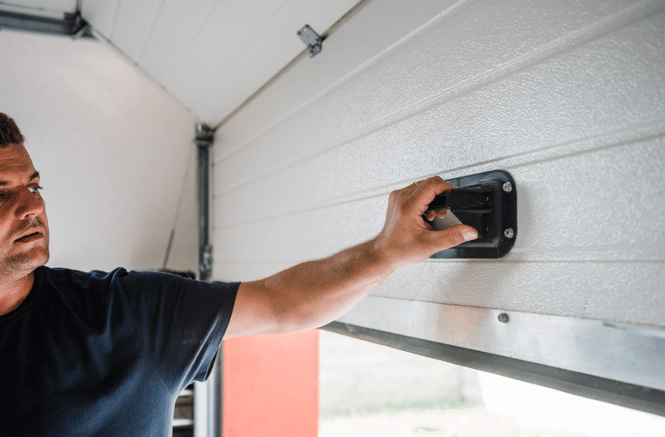
Replacement becomes the better choice when damage goes beyond what a repair can effectively address. Severe dents that affect the panel’s shape, deep cracks, broken sections, or rust that has eaten through the metal are all signs that a new panel is needed. If multiple panels are damaged, replacement is often more practical than attempting several individual repairs.
Older doors can also create challenges. If the panel design has been discontinued or if matching the color and style of the existing door is difficult, full replacement of the affected panels or even the entire door may be the more reliable solution. In some cases, replacing the door provides better long-term value, especially if the system is aging or lacks proper insulation.
Replacement is also worth considering when panel damage affects the door’s operation. A panel that has lost its structural strength can put extra strain on the springs, cables, and opener, leading to additional repairs down the line.
Factors That Influence the Repair vs Replace Decision
Several factors come into play when weighing repair against replacement. The extent of the damage is the starting point. Minor cosmetic or surface-level issues lean toward repair, while structural or widespread damage points to replacement.
The age of the door matters as well. A door nearing the end of its expected lifespan may not benefit from repair, especially if other components are also showing wear. A newer door, on the other hand, is usually worth repairing to preserve its value.
Availability of matching panels is another consideration. If the panel design is still produced, replacement of just the damaged section is often possible. If the design has changed or been discontinued, finding a panel that matches the rest of the door can be difficult, which may push the decision toward a full door replacement.
Long-term performance also plays a role. A repair that holds for years can be a smart investment, but if the same panel is likely to need attention again soon, replacement may offer better peace of mind.
Why Professional Assessment Matters
Panel damage is not always as simple as it looks. What appears to be a minor dent may have weakened the internal structure, and a small crack can grow into a larger problem if not addressed correctly. Damage in one section can also affect the alignment, balance, and safety of the entire door.
A professional technician can evaluate the panel along with the rest of the system to determine whether repair or replacement is the right path. They can check for hidden issues, assess how the damage is affecting the door’s operation, and recommend a solution that protects the long-term performance of your garage door.
How to Prevent Future Garage Door Panel Damage
While not every cause of panel damage can be avoided, there are steps you can take to reduce the risk and extend the life of your panels. Routine inspections help you catch small issues before they grow. Walking through your garage and looking over the door once a month can reveal early signs of wear, rust, or misalignment.
Careful operation also makes a difference. Avoid closing the door on objects, and make sure vehicles and equipment are clear before pressing the opener. Teaching everyone in the household to use the door properly can prevent many accidental impacts.
Weather protection helps as well. Keeping the panels clean, repainting when needed, and addressing rust spots early can extend the life of metal doors. For wood doors, sealing and refinishing as recommended helps prevent moisture damage. Lubricating moving parts and scheduling regular maintenance keeps the door operating smoothly, which reduces strain on the panels and the entire system.
Make the Right Call for Your Garage Door Panel
Deciding between a garage door panel repair and a full replacement comes down to the severity of the damage, the age and condition of the door, and how the issue is affecting overall performance. Minor dents and surface damage often respond well to repair, while structural issues, widespread damage, or aging doors may call for replacement. Taking the time to evaluate your options carefully helps you protect your home, your safety, and your investment in your garage door system.
If you have noticed signs of panel damage on your garage door, scheduling a professional inspection is the best next step. The team at Ryder Garage Doors can assess the condition of your door, explain your options clearly, and help you choose the solution that fits your situation. Reach out to Ryder Garage Doors today to keep your garage door working safely and reliably for years to come.