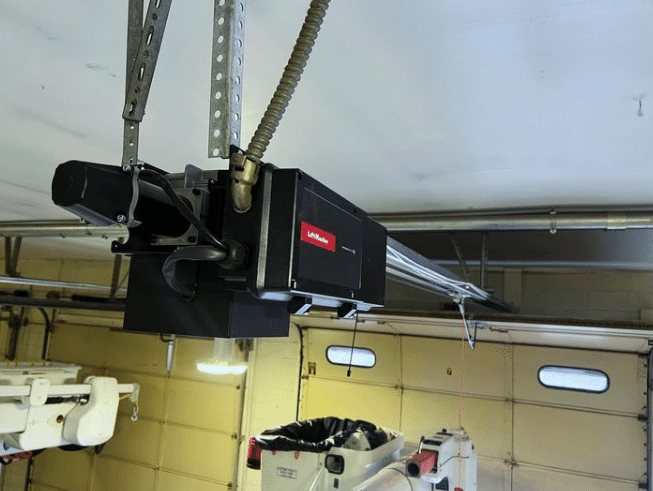
A garage door opener is one of those parts of your home you probably do not think about often, until it stops working the way it should. Most homeowners rely on the opener every day, yet the early signs of trouble are easy to miss. By the time the unit fails, the issue has often been building for weeks or months.
Recognizing the warning signs of a failing garage door opener can help you avoid a sudden breakdown. Catching the problem early also protects the rest of your garage door system, which depends on a healthy opener for safe operation. With a little awareness, you can spot the signs and respond before they turn into a much bigger issue.
The Role of Your Garage Door Opener in the Full System
A garage door opener works alongside the springs, cables, rollers, and tracks to move the door safely and smoothly. While the springs handle most of the heavy lifting, the opener provides the controlled motion that lets you raise and lower the door with the press of a button. Without a properly working opener, the entire system feels the strain.
When the opener begins to struggle, it can place added stress on the other components of the door. A weak motor can wear down gears, while electrical issues can affect the safety sensors and controls. Paying attention to how the opener behaves is one of the best ways to keep your full garage door system running reliably.
The Door Responds Slowly or Hesitates During Operation
A healthy opener should lift and lower the door at a steady pace. If you notice that the door is responding slowly after you press the button or hesitating before it moves, the opener may be showing signs of wear. This kind of delay is often one of the earliest signs of trouble.
Slow movement can also point to issues with the motor, gears, or internal circuit board. While it can be tempting to ignore a small change in speed, this warning sign often grows into bigger problems over time. Scheduling an inspection early gives you the chance to address the issue before it leads to a complete failure.
Unusual Noises Coming From the Opener Unit
Garage door openers are not silent, but they should not be alarmingly loud either. Sudden or unusual noises are often the first audible sign that the unit needs attention. A grinding sound usually points to worn gears, while a humming noise without movement can indicate that the motor is struggling.
Other sounds to listen for include clicking, buzzing, or rattling during operation. Each one tells a different story about what may be happening inside the opener. Paying attention to these noises and acting quickly can help prevent additional damage to the motor and internal parts.
The Opener Runs but the Door Does Not Move
If the opener motor runs when you press the button but the door does not move, it usually points to internal damage. Common causes include a stripped gear, broken belt, or chain issue. The motor is doing its job, but something is preventing the movement from reaching the door.
This is one of the clearest signs that the opener needs immediate attention. Continuing to use the unit in this condition can damage the motor or wear down other components inside the housing. A professional can identify the exact cause and recommend the right repair before the issue spreads.
The Door Reverses or Stops Mid-Operation
A door that reverses unexpectedly or stops partway through opening or closing is another warning sign. This behavior can point to several issues, including sensor problems, motor strain, or trouble with the internal control board. It is also a safety concern, since an unpredictable door can create real risks for vehicles, pets, and family members.
Modern openers are designed to reverse the door if they sense too much resistance or if the safety sensors detect an obstruction. When that response happens without a clear reason, the opener may be the source. Acting quickly helps protect the system and keep daily operation predictable.
The Remote or Wall Console Stops Working Correctly
A remote or wall console that no longer works as expected can sometimes point to a failing opener. Before assuming the opener is the problem, check the batteries in the remote and look for signal interference. If the remote still does not work after a fresh battery, the issue may be deeper.
Worn internal components, a damaged circuit board, or a fading antenna can all cause control problems. The same is true for a wall console that responds slowly or only works some of the time. These kinds of inconsistencies often signal that the opener is reaching a point where service is needed.
Safety Sensors Are Not Responding the Way They Should
The safety sensors at the base of the garage door play a vital role in stopping the door if something is in its path. If the sensors are misaligned, dirty, or failing, the opener may struggle to operate correctly. The door may refuse to close, reverse without reason, or stop mid-motion.
Sensor problems often appear alongside larger opener issues. A failing control board, worn wiring, or a damaged motor can all affect how the sensors communicate with the system. Keeping the sensors clean and properly aligned is helpful, but persistent issues usually call for professional attention.
The Opener Struggles With Heavier Lifting
A garage door opener works in partnership with the springs to lift the door. When the opener begins to fail, it may struggle to handle the lifting on its own. You may notice the unit straining, slowing down, or making louder noises than usual when raising the door.
Cold weather can make this issue more noticeable, since metal components contract and the door becomes stiffer. A failing opener has a harder time keeping up under these conditions. Worn gears, a weakening motor, or a misadjusted force setting can all contribute to this kind of strain.
The Opener Is Showing Its Age
Most garage door openers last between 10 and 15 years, depending on the brand, the quality of the unit, and how often it is used. As the opener ages, smaller issues often start to add up. You may notice slower operation, louder noises, less reliable response from the remote, or occasional sensor issues.
If your opener is approaching or past the average lifespan, it is worth having a professional take a look. The unit may still have life left, but it could also be reaching a point where replacement makes more sense than ongoing repairs.
Flickering Lights or Electrical Issues With the Opener
The light on your garage door opener can sometimes give you clues about the unit’s condition. Flickering lights, blown bulbs, or sudden power glitches can all point to internal electrical issues. These problems may be related to the circuit board, the wiring inside the housing, or a power supply issue.
Electrical problems should never be ignored. Beyond the inconvenience, they can lead to bigger damage or safety risks if left unchecked. A trained technician can inspect the wiring, test the components, and determine whether the issue can be repaired or if the unit needs to be replaced.
When to Repair and When to Replace a Failing Opener
Deciding between repair and replacement comes down to several factors. The age of the unit is often the starting point. An opener that is only a few years old usually benefits from repair, while one that is more than a decade old may be better off replaced.
The type of damage also matters. Worn gears, a faulty circuit board, or a damaged belt can sometimes be repaired affordably. More serious issues, such as a burned-out motor, often justify a new unit. The cost of repair compared to a new opener is another point to consider.
Why Professional Diagnosis Matters
A failing opener can be tricky to diagnose, especially since the symptoms often overlap with other garage door issues. A trained technician has the tools, training, and experience to identify the real source of the problem. They can check the motor, gears, control board, sensors, and wiring to give you a clear picture of what is happening inside the unit.
This kind of evaluation also helps prevent further damage. Catching issues early protects the long-term performance of your door, the safety of your family, and your overall investment in the system.
Take Action Before Your Opener Fully Fails
A failing garage door opener rarely fails all at once. There are usually plenty of warning signs along the way, from slow movement and unusual noises to flickering lights and erratic behavior. Paying attention to these signs gives you the chance to act early, avoid unexpected breakdowns, and protect the rest of your garage door system.
If you have noticed any of these warning signs, the team at Ryder Garage Doors is ready to help. A professional inspection from Ryder Garage Doors can identify the source of the issue, recommend the right solution, and keep your garage door running safely. Reach out today to schedule service and enjoy reliable operation for years to come.