A garage door works hard every day, and the timing of your maintenance routine plays a major role in how well it performs over the years. Many homeowners only think about service when something stops working, but regular maintenance can prevent most breakdowns long before they happen. Knowing when to schedule that care is just as important as the maintenance itself, since the right timing often makes the difference between a minor adjustment and a costly repair.
Different seasons, weather conditions, and usage patterns all influence when your garage door needs attention. A thoughtful maintenance schedule keeps the system running smoothly, protects the lifespan of the door, and helps you avoid unexpected repairs. With a little planning, you can stay ahead of small issues, save money over time, and enjoy a reliable garage door year after year.
Why Timing Matters for Garage Door Maintenance
Timing is one of the most overlooked parts of garage door care. Seasonal changes affect the springs, cables, and metal components in different ways. Hot summers can dry out lubricant, while cold winters can stiffen moving parts. Heavy rain, snow, or humidity can also speed up wear on the tracks, hinges, and rollers.
Scheduling maintenance at the right time helps the door adjust to changing conditions and protects the system from added stress. It also makes it easier to catch small problems before they grow into expensive repairs. A well-timed visit keeps the door operating smoothly through every season and adds years to its working life.
How Often Garage Door Maintenance Should Be Scheduled
As a general rule, garage doors should be inspected and serviced at least once a year. This yearly visit covers the most important parts of the system, including the springs, cables, opener, rollers, tracks, and safety sensors. For homes with heavy daily use, maintenance may be needed every six months to keep up with the added wear.
Usage patterns play a big role in how often service is needed. A door that opens and closes many times a day will wear out faster than one used only on weekends. Matching your maintenance schedule to your usage helps you stay ahead of issues and gives your door the consistent care it needs.
Spring Maintenance to Prepare for Heavier Use
Spring is one of the best times to schedule garage door maintenance. After months of cold weather, the door may be dealing with reduced lubrication, stiff springs, and small signs of wear from freezing temperatures. A maintenance visit at this point helps reset the system and prepare it for the busier months ahead.
Spring also brings more activity around the home. Families spend more time outdoors, vehicles come in and out more often, and the door tends to see more daily use. Taking care of inspections and minor adjustments before this surge helps the system handle the heavier workload with ease and keeps your home running smoothly.
Summer Maintenance for Smooth Daily Performance
Summer brings its own set of challenges for a garage door. Heat, humidity, and constant use can put extra stress on the system, especially in regions where temperatures climb high. Lubricants can break down faster, and metal components may expand slightly under intense heat.
A mid-year maintenance visit during summer keeps the door performing reliably through the busy season. It also gives the technician a chance to apply fresh lubricant, check the balance of the door, and inspect for signs of strain on the opener. Regular summer attention helps prevent the kind of breakdown that can leave you stuck with a stuck door on a hot day.
Fall Maintenance to Prepare for Winter
Fall is one of the most important times of year for garage door care. Preparing the door before cold weather arrives helps prevent the issues that often show up in winter, such as frozen tracks, stiff springs, or sluggish movement. A fall service visit gives the technician the chance to address these concerns ahead of time.
This is also the season when many homeowners notice that the door has been working a little harder than usual. Catching those small signs of wear in fall makes the colder months much easier. A well-prepared garage door handles winter weather more reliably and is far less likely to fail at the worst possible time.
Winter Maintenance and Cold Weather Considerations
Cold weather affects garage doors in ways many homeowners do not expect. Springs become less flexible, metal parts contract, and tracks can develop frost or even ice in extreme conditions. The opener may also need to work harder when the door is stiff from the cold.
Winter maintenance focuses on keeping the door reliable during these tough conditions. Technicians can apply cold-weather lubricant, check the springs for tension, and make sure the seal along the bottom of the door is in good shape. A small visit during winter goes a long way toward preventing the breakdowns that happen when the system is under added stress.
How Daily Usage Patterns Affect Maintenance Timing
Not every home uses its garage door the same way. Some households open and close the door more than a dozen times each day, while others use it only on weekends. Homes with multiple drivers, deliveries, or garages used as the main entry point will see more wear on the system.
If your garage gets heavy daily use, plan to schedule maintenance more often than once a year. A six-month routine works well for busy households. For lighter usage, an annual visit usually keeps the system in great shape. Matching your maintenance schedule to your lifestyle is one of the smartest ways to protect the long-term performance of your door.
Warning Signs That Mean Maintenance Cannot Wait
While scheduling maintenance ahead of time is ideal, there are some signs that mean service is needed right away. Unusual noises during operation, slow or jerky movement, and uneven lifting are all warning signs. A door that struggles to open or close, hesitates partway, or shakes during movement also signals that something is wrong.
Visible wear on the springs, cables, or rollers should never be ignored. The same goes for any change in how the door feels when raised manually. When these signs show up, calling for service quickly can prevent a small issue from becoming a much bigger one. Acting early is always better than waiting for the system to fail.
How Weather and Climate Influence Maintenance Schedules
The local climate has a strong influence on how often your door needs care. Humid regions can speed up rust formation on metal components, while coastal areas add salt exposure that can corrode parts over time. Places with heavy snowfall may need more attention to keep tracks and seals in good condition.
Hot, dry climates can dry out lubricant faster, while mild climates may allow for a more relaxed schedule. Knowing how your local weather affects the door helps you fine-tune your maintenance timing. Talking with a local technician about your area can give you a clearer picture of what your system needs throughout the year.
The Benefits of Sticking to a Maintenance Schedule
A consistent maintenance schedule offers many benefits. Your door will operate more smoothly and quietly, last longer, and run with fewer surprise repairs. The safety features, such as auto-reverse and sensors, stay in good working order, which protects everyone in the home.
Regular maintenance also helps with energy efficiency. A well-sealed, properly balanced door reduces drafts and keeps the temperature inside the garage more stable. Over time, the savings on repairs and energy costs add up. Sticking to a schedule gives you a reliable garage door without the stress of unexpected breakdowns.
What to Expect During a Professional Maintenance Visit
A professional maintenance visit covers many important details. The technician usually starts with a full inspection of the springs, cables, rollers, tracks, opener, and safety sensors. They look for signs of wear, rust, misalignment, or stress on the components.
From there, the technician lubricates moving parts, tightens hardware, and checks the balance of the door. They also test the opener and safety features to make sure everything responds correctly. A thorough visit gives you peace of mind that your door is ready for the season ahead and helps you avoid the small issues that often turn into bigger problems.
Keep Your Garage Door in Top Shape With Regular Maintenance
The best time for garage door maintenance depends on the season, your usage, and the climate where you live. Spring and fall are especially helpful for preparing the door for the busy months ahead, while annual or semi-annual visits keep the system reliable year-round. Sticking to a consistent schedule protects your door, your home, and your safety.
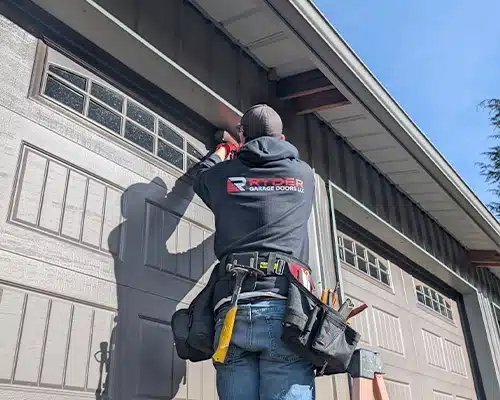
If you are ready to schedule professional service, the team at Ryder Garage Doors is ready to help. A maintenance visit from Ryder Garage Doors brings experience, careful attention, and reliable workmanship to every project. Reach out today to set up your appointment and enjoy a garage door that performs at its best for years to come.