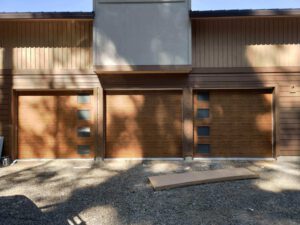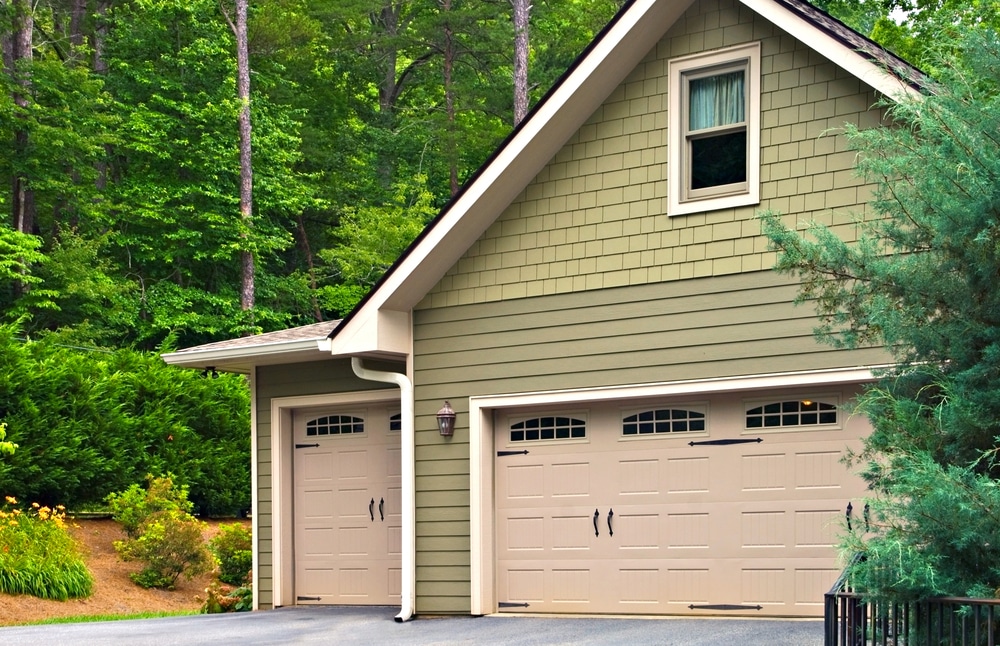
If you just had a new garage door installed, you already know how much of a difference it makes for your home’s curb appeal, security, and everyday convenience. But a new door is only as good as the care it receives. Homeowners with new garage doors in Vancouver, WA, often assume a fresh installation means years of worry-free use with no upkeep required. In reality, a little routine maintenance goes a long way toward protecting that investment and keeping the door running smoothly for years to come.
At Ryder Garage Doors, we install and service garage doors throughout Vancouver, WA and the surrounding communities, and we regularly hear the same question from customers after a new installation: what should I actually be doing to take care of this? Below is a practical, easy-to-follow guide.
Why Maintenance Matters Even for a Brand New Door
A new garage door arrives balanced, aligned, and properly lubricated. Over time, everyday use, temperature changes, and the wear that comes with moving parts can shift things slightly. Left unaddressed, small issues can turn into bigger, more expensive repairs.
Vancouver’s climate adds another layer to consider. The Pacific Northwest brings damp winters, seasonal temperature swings, and plenty of moisture in the air. That combination can affect metal hardware, weatherstripping, and even the wood or steel panels themselves if a door is not cared for properly. Routine maintenance protects your new door against these regional conditions and helps preserve the manufacturer warranty that came with your installation.
How Often Should You Maintain a New Garage Door
Most homeowners do not need to think about their garage door daily, but a regular rhythm of checks keeps things running well.
- Monthly: A quick visual inspection and a listen for unusual noises during operation.
- Every three to six months: Lubricate moving parts and check the balance of the door.
- Once a year: Schedule a professional inspection and full tune-up.
Newer doors generally need less intervention in the first year, but that first year is also when small installation-related issues, if any exist, tend to surface. Staying attentive during this period helps you catch anything early.
Monthly Visual and Sound Checks
Once a month, take a minute to watch your garage door open and close. Look for:
- Smooth, even movement on both sides
- No grinding, squeaking, or popping sounds
- The door reversing properly when it senses an obstruction
- Cables and springs that appear intact and properly tensioned
If anything looks or sounds off, it is worth having a technician take a closer look before it becomes a larger problem.
Lubrication: A Simple Step With a Big Payoff
Garage doors rely on multiple moving metal parts, including rollers, hinges, and springs. These components need lubrication to move smoothly and avoid premature wear.
What to lubricate:
- Rollers (unless they are nylon, which typically do not require lubrication)
- Hinges
- Springs
- The track, lightly, to reduce friction
Use a garage door-specific lubricant rather than household oils like WD-40 which can attract dust and grime over time. A light coat every few months is usually sufficient. Over-lubricating can cause buildup, so less is often more.
Checking the Balance and Alignment
A properly balanced garage door should move smoothly and stay in place when manually opened partway. If your new door is pulling to one side, closing unevenly, or feels heavier than expected, the balance may be off.
Simple balance test:
- Disconnect the opener by pulling the release cord.
- Manually lift the door about halfway.
- Let go and observe.
A well-balanced door will stay in place. If it drifts up or falls down, the springs may need adjustment. Because garage door springs are under significant tension, this is not a task to handle yourself. Our team performs spring repair and adjustment safely, using the right tools and training for the job.
Weatherstripping and Seals
Vancouver’s rainy season puts weatherstripping to the test. The seal along the bottom and sides of your garage door keeps out moisture, drafts, and pests. On a new door, this seal should be in excellent condition, but it is worth checking periodically for:
- Cracking or brittleness
- Gaps where the seal no longer meets the ground evenly
- Signs of water intrusion inside the garage
Replacing worn weatherstripping is a straightforward fix that prevents bigger issues like water damage or reduced energy efficiency in an attached garage.
Keeping Tracks and Hardware in Good Shape
The tracks that guide your garage door need to stay clean and properly aligned. Debris, dirt, and even small rocks can work their way into the tracks over time, especially if your garage sees a lot of foot or vehicle traffic.
Basic upkeep includes:
- Wiping down tracks with a damp cloth to remove buildup
- Checking that mounting brackets are snug and not loose
- Confirming that all bolts and screws remain tight
Loose hardware is one of the most common causes of noisy garage doors, and tightening it is often an easy fix during a routine inspection.
Testing Safety Features
Modern garage door openers come equipped with safety sensors that stop and reverse the door if something is in its path. These sensors sit near the bottom of the tracks on either side of the door.
To test them:
- Place an object, like a piece of wood, in the door’s path while it closes.
- The door should stop and reverse immediately upon contact with the sensor beam.
If it does not, the sensors may be misaligned, dirty, or obstructed. This is a safety issue that should be addressed right away, particularly in homes with children or pets.
Caring for Your Garage Door Opener
Your opener is the workhorse behind your garage door’s daily operation. To keep it running well:
- Test the remote and keypad regularly to confirm consistent response
- Replace batteries in remotes as needed
- Listen for changes in the motor’s sound, which can indicate wear
- Keep the opener unit free of dust
If your opener becomes slow, unresponsive, or loses connection frequently, it may be a sign of a developing issue rather than something to wait out.
Seasonal Considerations for Vancouver Homeowners
Because Vancouver experiences wet winters and moderate summers, seasonal changes can affect how your garage door performs.
Before winter:
- Check weatherstripping for gaps
- Lubricate moving parts to prevent stiffness in cold, damp air
- Confirm the opener responds well in colder temperatures
Before summer:
- Inspect for any warping or expansion, particularly with wood doors
- Clean tracks of dust and pollen buildup
Staying ahead of these seasonal shifts helps your new door perform consistently no matter the time of year.
When to Call a Professional
While plenty of maintenance tasks are simple enough to handle yourself, some jobs call for a trained technician. This includes anything involving springs, cables, or major alignment problems. These components are under high tension and can cause serious injury if handled incorrectly.
Signs it is time to call for professional service include:
- The door is noticeably unbalanced
- Grinding or scraping sounds during operation
- The opener struggles to lift the door
- Visible wear on cables or fraying
- The door does not respond consistently to the opener or keypad
Our technicians handle general garage door maintenance, spring repair, panel repair, and opener service for homeowners throughout Vancouver and the surrounding areas, and every job is backed by a one-year warranty on parts and labor.
Frequently Asked Questions
How often should a new garage door be serviced? A professional tune-up once a year is generally recommended, even if the door seems to be working fine. Many issues develop gradually and are easier to catch and correct early.
Do I need to lubricate a brand new garage door right away? Not immediately, but starting a lubrication routine every three to six months after installation helps keep moving parts working smoothly as the door settles in.
Why does my new garage door make noise sometimes? Occasional noise can come from loose hardware, dry hinges, or minor track misalignment. If the noise persists after tightening hardware and lubricating, it is worth having a technician inspect it.
Can I maintain my garage door springs myself? No. Garage door springs are under high tension and should only be adjusted or repaired by a trained technician.
What is the biggest maintenance mistake homeowners make? Ignoring small issues. A slightly unbalanced door or a minor noise can turn into a more significant repair if left unaddressed.
Protect Your New Garage Door With Professional Support
A new garage door is a meaningful investment in your home, and consistent maintenance is what keeps it performing the way it should for years to come. Ryder Garage Doors has served homeowners across Vancouver, WA, and the surrounding communities with 45 years of combined experience and our technicians are ready to help with everything from routine tune-ups to spring repair and beyond.
If it has been a while since your last inspection, or if something about your garage door does not feel quite right, give us a call at (360) 843-7981 or schedule your service online. We will make sure your new garage door stays reliable, safe, and ready for whatever the Vancouver weather brings.