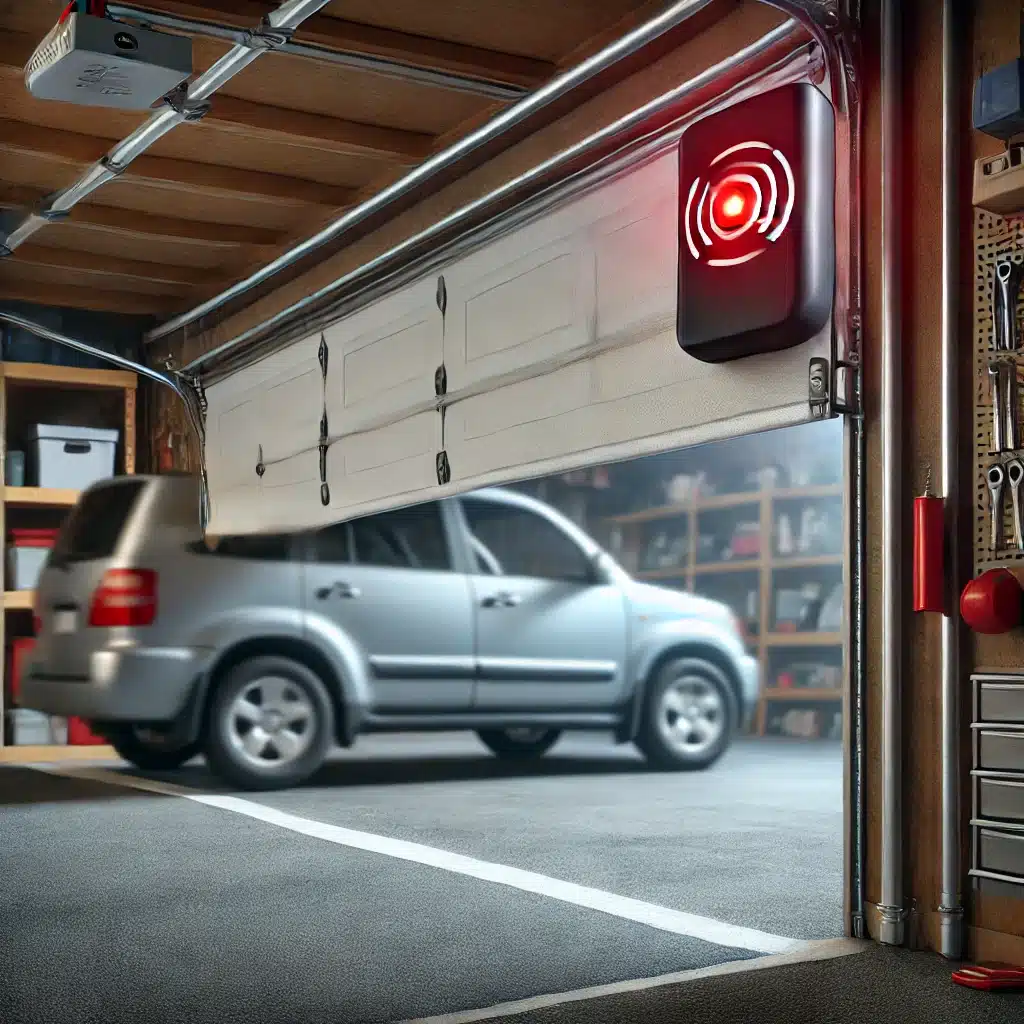
Garage door track misalignment is one of the most common issues homeowners experience, yet it often goes unnoticed until the door begins making noise, moving unevenly, or getting stuck. Many homeowners assume the problem lies with the opener or springs, when in reality the issue often starts with the tracks. Understanding what causes track misalignment helps homeowners address problems early and avoid costly repairs.
Garage door track alignment in Vancouver homes is especially important due to local weather conditions, daily usage, and the way many garages are built. This article explains the most common causes of track misalignment, how these issues develop over time, and why addressing them early protects both safety and performance.
What Garage Door Track Alignment Means
Garage door tracks are the metal rails mounted along the sides of the garage opening and overhead. These tracks guide the rollers as the door opens and closes. Proper alignment keeps the door level, stable, and balanced throughout its movement.
When tracks are aligned correctly, the door glides smoothly without rubbing, wobbling, or sudden stops. When tracks shift even slightly, the rollers struggle to stay in place. This creates friction, noise, uneven movement, and additional stress on other components like springs, cables, and the opener.
Garage door track alignment in Vancouver homes must remain precise to handle frequent use and environmental stress.
Why Garage Door Track Misalignment Is Common in Vancouver
Vancouver’s climate plays a significant role in garage door track issues. Frequent rainfall, higher humidity, and seasonal temperature changes affect metal components over time. Moisture can lead to rust, while temperature fluctuations cause expansion and contraction in both metal and framing materials.
Many Vancouver homes also rely heavily on garages as main entry points. Increased daily use means more vibration, movement, and wear on track hardware. Over time, these factors combine to gradually shift tracks out of alignment, even when the door appears to be functioning normally at first.
Cause #1: Natural Wear From Daily Use
Every time a garage door opens and closes, it places stress on the track system. Rollers move along the tracks, hardware absorbs vibration, and the weight of the door shifts slightly with each cycle.
In homes where the garage door is used multiple times per day, this constant movement causes:
- Fasteners to loosen
- Brackets to shift
- Tracks to move incrementally
This type of wear happens slowly, which is why many homeowners do not notice a problem until misalignment becomes severe. Regular use without routine inspection allows small shifts to build into larger alignment issues.
Cause #2: Loose or Damaged Track Hardware
Garage door tracks are secured to the wall and ceiling with brackets, bolts, and fasteners. Over time, vibration and movement can loosen this hardware.
Loose track hardware allows the tracks to:
- Shift outward or inward
- Tilt slightly out of vertical alignment
- Pull away from the wall
Even minor loosening can cause rollers to rub, bind, or pop out of position. In some cases, damaged or bent brackets from previous repairs or impacts make proper alignment impossible without professional correction.
Cause #3: Moisture, Rust, and Corrosion
Moisture exposure is a major contributor to garage door track alignment problems in Vancouver homes. Garages that are poorly ventilated or frequently exposed to rainwater are especially vulnerable.
Over time, moisture can cause:
- Rust on tracks and fasteners
- Weakening of metal components
- Reduced structural integrity of mounting points
Rust does not just affect appearance. It compromises the strength of the track system, making it more likely to bend, warp, or shift. Corrosion also makes adjustments more difficult, increasing the need for professional service.
Cause #4: Accidental Impact or Obstructions
Garage door tracks can be knocked out of alignment by accidental contact. Common sources of impact include:
- Vehicles parking too close
- Bikes or lawn equipment hitting the tracks
- Storage items falling against the rails
Even a light bump can cause a track to bend or shift slightly. Because tracks require precise positioning, small impacts can lead to noticeable performance problems. Cluttered garages increase the risk of accidental damage and track misalignment.
Cause #5: Foundation Shifts or Structural Changes
Homes naturally settle over time. In some cases, slight foundation movement or framing changes affect the alignment of garage door tracks.
This is more common in:
- Older homes
- Homes with recent renovations
- Properties affected by soil movement or moisture changes
When the structure shifts, tracks that were once perfectly aligned may no longer sit correctly within the opening. This can cause the door to bind or lean as it moves. Track realignment may be necessary even when there is no visible damage to the tracks themselves.
Cause #6: Improper Installation
One of the most preventable causes of garage door track misalignment is improper installation. Tracks must be installed with precise spacing, leveling, and fastening to function correctly.
Installation mistakes can include:
- Tracks set too close or too far apart
- Tracks not level or plumb
- Inadequate fastening to framing
- Poor alignment with rollers and door panels
Improper installation often leads to ongoing problems that appear months or years later. Professional installation helps ensure tracks remain stable and aligned long term.
Signs Garage Door Track Misalignment Is Developing
Garage door track misalignment usually presents warning signs before a major failure occurs. Homeowners should watch for these early indicators.
Common signs include:
- Scraping or grinding noises
- Door moving unevenly
- Rollers wobbling or jumping
- Gaps between rollers and tracks
- Door slowing down or stopping unexpectedly
Recognizing these signs early allows homeowners to address alignment issues before damage spreads to other components.
Why Ignoring Track Alignment Causes Bigger Problems
When tracks are misaligned, the entire garage door system suffers. Rollers experience uneven pressure, which causes premature wear. Cables and springs are forced to compensate for uneven movement. The opener works harder to move the door, increasing the risk of motor failure.
Over time, misalignment can lead to:
- Rollers popping out of the tracks
- Doors coming off track
- Cable damage
- Opener burnout
- Safety hazards during operation
Addressing garage door track alignment in Vancouver homes early prevents these cascading problems and reduces overall repair costs.
When Garage Door Track Alignment Requires Professional Service
Garage door track alignment is not a simple adjustment. Tracks must be positioned precisely and secured properly to ensure safe operation. Attempting to realign tracks without experience can worsen the problem or create safety risks.
Professional technicians evaluate:
- Track spacing and level
- Hardware integrity
- Roller condition
- Door balance
- Structural mounting points
Professional alignment ensures the door moves smoothly, safely, and without unnecessary strain on other components.
Why Understanding Track Misalignment Matters
Garage door track misalignment often develops gradually due to daily use, environmental exposure, and structural changes. Vancouver’s climate, combined with frequent garage use, makes alignment issues especially common. Understanding the causes helps homeowners take action before minor problems turn into major repairs.
Regular inspection and early attention protect the performance, safety, and lifespan of the entire garage door system.
Concerned About Garage Door Track Alignment in Vancouver?
If your garage door is making noise, moving unevenly, or showing signs of misalignment, a professional inspection can help identify the issue early. Addressing track alignment promptly helps prevent damage and keeps your door operating safely.
Call Ryder Garage Doors to schedule an inspection or request service.
Professional support ensures your garage door track alignment is corrected properly and safely.