A broken garage door spring is one of those problems that almost always happens at the worst possible time. One moment your door is working fine, and the next it refuses to open or closes with a loud bang that leaves you wondering what just happened. For many homeowners, a broken spring is the first time they realize how much these small components do for their garage door.
Understanding why springs break and knowing what to do next can help you handle the situation calmly and safely. It also helps you avoid common mistakes that can lead to injury or further damage to your door. With the right information, you can move from worry to action and get your garage door back in working order.
The Role of Springs in Your Garage Door System
Garage door springs are the part of the system that does the heaviest lifting. Even though most homeowners think the opener is doing all the work, the springs are actually responsible for counterbalancing the weight of the door so it can move up and down smoothly. Without functioning springs, even the strongest opener would struggle to lift a door that can weigh several hundred pounds.
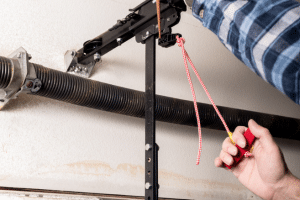
There are two main types of springs used in residential garage doors. Torsion springs are mounted above the door and twist to store energy as the door moves. Extension springs run along the sides of the tracks and stretch as the door closes. Both types serve the same purpose of supporting the door’s weight, but they operate differently and have their own wear patterns. Either way, when a spring breaks, the entire system feels the impact almost immediately.
Common Reasons Garage Door Springs Break
Springs break for several reasons, and most of them come down to wear and tear over time. The most common cause is natural fatigue from daily use. Every time the door opens and closes, the spring stretches or twists, which slowly weakens the metal. After enough cycles, the spring simply reaches the end of its lifespan.
Rust and corrosion also play a major role. Moisture in the air can cause the spring to develop rust, which weakens the coil and increases friction between the loops. This added stress speeds up wear and shortens the spring’s life. Poor installation or using a spring that is not rated for the weight of the door can also lead to early failure.
Sudden temperature changes can be another factor. Cold weather makes metal more brittle, which is why many spring breaks happen during winter mornings. Lack of maintenance, such as missed lubrication or skipped inspections, also contributes by allowing small issues to go unnoticed until the spring finally gives out.
How Long Garage Door Springs Are Supposed to Last
Garage door springs are measured in cycles, with one cycle equaling one full open and close of the door. Most standard springs are rated for around 10,000 cycles, which works out to about seven to nine years of typical use. Homes with heavy daily use may go through that number of cycles much faster, while homes that use the garage door less frequently may stretch the lifespan further.
High-cycle springs are available for homeowners who want longer-lasting performance. These are rated for 20,000 cycles or more and are a good option for busy households or homes where the garage is the main entry point. Regardless of the type, the lifespan depends not only on usage but also on maintenance, weather exposure, and the overall condition of the door.
Warning Signs That a Spring Is About to Break
In many cases, a spring gives off warning signs before it finally breaks. Catching these early can save you from being caught off guard. A door that suddenly feels heavier than usual is one of the clearest indicators, since springs that are losing tension stop supporting the weight properly.
Slow or jerky movement is another sign. If the door hesitates as it opens or closes, or if it moves unevenly along the tracks, the springs may be wearing down. Unusual noises such as creaking, squeaking, or popping during operation can also point to spring trouble.
Visible signs include gaps in the coil of a torsion spring, rust along the surface, or stretched extension springs that no longer return to their resting position. If your door struggles to stay open when raised partway, the springs are likely losing their ability to hold the door’s weight. Paying attention to these signs gives you time to schedule service before a full break happens.
What to Do Immediately After a Garage Door Spring Breaks
The moment you realize a spring has broken, the most important step is to stop using the door. Even if the opener seems willing to lift it, attempting to operate the door without functioning springs can cause serious damage to the opener, cables, and tracks. It can also create a safety risk for anyone nearby.
Keep vehicles out of the garage if possible, especially if the door is stuck in the open position. If the door is closed, avoid trying to force it open manually. The weight without spring support is too much to handle safely. Make sure children and pets stay clear of the door until repairs are complete.
Once the area is secure, contact a professional garage door technician. A trained expert can safely assess the situation, recommend the right replacement, and complete the repair without putting anyone at risk. Quick action keeps the rest of the system protected and helps you get back to normal sooner.
Why You Should Not Try to Repair a Broken Spring Yourself
Garage door spring repair is one of the few home repairs that is genuinely dangerous to attempt without proper training. Springs hold a tremendous amount of tension, and when released improperly, they can cause serious injury. Even an experienced handyman without the right tools and knowledge can run into trouble quickly.
Beyond the safety concerns, DIY spring repair often leads to additional problems. Installing the wrong size spring, failing to balance the door correctly, or damaging surrounding components can turn a single repair into a much larger issue. Professional technicians use specialized tools, follow strict safety procedures, and have the experience to handle the job efficiently. The peace of mind that comes with a professional repair is well worth avoiding the risks of doing it yourself.
What to Expect From a Professional Garage Door Spring Repair
When a technician arrives to handle a broken spring, the visit usually starts with a full inspection. They check the type and condition of the springs, the balance of the door, and the condition of related parts such as cables, rollers, and the opener. This helps them identify the right replacement and spot any other issues that may need attention.
Once the inspection is complete, the technician carefully removes the broken spring and installs the replacement. They adjust the tension to match the weight of the door and balance the system to ensure smooth operation. After installation, they test the door several times to confirm that it opens, closes, and stays in position correctly. A well-executed repair restores the door’s performance and helps prevent future problems.
How to Extend the Life of Your Garage Door Springs
While springs eventually wear out, there are steps you can take to make them last as long as possible. Regular maintenance is the most important habit. A simple visual inspection every few months can help you catch early signs of rust, gaps, or stretching before they lead to a full break.
Lubrication is also key. Applying a quality garage door lubricant to the springs every six months helps reduce friction and slows the buildup of rust. Keeping the door balanced and the tracks clean reduces the load on the springs, allowing them to operate within their designed range. Avoid placing extra strain on the system by ensuring the door opens and closes smoothly without hesitation.
Scheduling professional inspections once a year is another smart move. A technician can spot issues that may not be obvious and make small adjustments that extend the life of the springs and the rest of the system.
Keep Your Garage Door Running Safely With Professional Spring Repair
A broken garage door spring is more than an inconvenience. It is a safety issue that affects the entire door system and can lead to bigger problems if not handled correctly. Understanding why springs break, recognizing the warning signs, and knowing what to do immediately afterward gives you the confidence to respond quickly and safely.
If you are dealing with a broken spring or notice the early warning signs, the team at Ryder Garage Doors is ready to help. A professional repair from Ryder Garage Doors restores the safe operation of your door and protects the long-term performance of your system. Reach out today to schedule service and get your garage door working the way it should.