Garage door springs are one of the hardest working parts of your door, yet they often go unnoticed until something goes wrong. They quietly support the full weight of the door every time it opens and closes, which means even small issues with the springs can affect how the entire system performs. Many homeowners are unsure when a spring needs attention, especially since the warning signs can be easy to miss at first.
Recognizing the early signs of spring trouble can save you from a sudden breakdown and help you avoid more serious damage to your garage door. Knowing what to watch for gives you the chance to act quickly, schedule professional service, and keep your door working safely and smoothly.
Why Garage Door Springs Need Attention
Garage door springs carry the weight of the door so the opener does not have to do all the work. Without them, even the strongest opener would struggle to lift a door that can weigh several hundred pounds. Because of how much pressure they handle, springs naturally wear down with use, and over time they begin to lose the tension they need to operate properly.
Catching spring problems early matters for more than just convenience. A weakening spring puts extra strain on the opener, cables, and tracks, which can lead to a chain of additional repairs. It also creates a safety risk, since springs hold a high amount of stored energy and can fail suddenly when they reach the end of their lifespan. Paying attention to how your door behaves is one of the best ways to spot trouble before it becomes a bigger issue.
The Door Feels Heavier Than Usual
One of the earliest signs that a spring needs repair is a door that suddenly feels heavier than it used to. When the springs are working correctly, the door should feel balanced and relatively easy to lift manually. As the spring loses tension, more of the door’s weight transfers to your hands or to the opener, making lifting and movement noticeably harder.
You may notice this change first when using the manual release or when the opener seems to strain more than usual. A door that feels heavy is a strong sign that the springs are losing strength and need to be inspected. Acting at this stage can prevent a full break and allow for a smoother, safer repair.
The Door Opens or Closes Unevenly
A door that lifts or lowers unevenly often points to spring problems. If one side rises faster than the other or the door appears to tilt during movement, the springs may no longer be holding equal tension. This is especially common in dual-spring systems, where one spring may weaken faster than the other.
Uneven movement also places stress on the cables, rollers, and tracks. Over time, this can lead to misalignment and additional damage that could have been avoided. If your door no longer moves smoothly along the tracks, it is a clear sign that a professional should inspect the springs.
Unusual Noises During Operation
Garage doors are not silent, but they should not be alarmingly loud either. Sudden or unusual noises are often the first audible clue that something is wrong with the springs. A loud bang, almost like a firecracker, is the unmistakable sound of a torsion spring breaking. Even if the door still appears to function, this noise means the spring has failed and immediate service is needed.
Other sounds to watch for include popping, creaking, squeaking, or grinding during operation. These often signal that the springs are losing their smooth movement or developing rust and friction. Paying attention to changes in how your door sounds can help you catch issues before they get worse.
Visible Damage on the Spring Itself
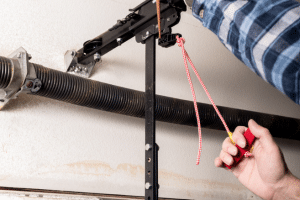
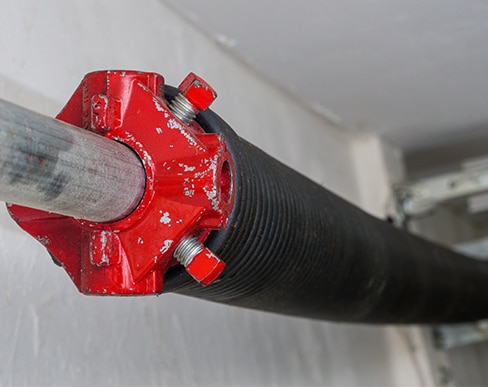
You can often tell a spring needs repair just by looking at it. While you should never touch a spring directly, a careful visual check from a safe distance can reveal a lot. With torsion springs, watch for visible gaps between the coils. A healthy torsion spring sits tightly wound, so any space between coils usually means the spring has stretched or broken.
For extension springs, look for signs of overstretching, where the spring no longer returns to its resting length. Rust, corrosion, or a worn coating can also signal that the spring is nearing the end of its lifespan. Any visible damage is a strong reason to schedule a professional inspection without delay.
The Door Will Not Stay Open
A working garage door spring should be strong enough to hold the door in place when it is raised partway. If you lift the door manually to about halfway and it slowly slides back down, the springs are no longer holding the proper tension. This is one of the clearest signs that the spring system needs attention.
A door that will not stay open is more than just inconvenient. It is also a safety hazard, especially if children, pets, or vehicles are nearby. The springs are no longer doing their job of supporting the weight, which means the entire system is at risk. Addressing this issue quickly helps prevent injuries and protects the other components from added strain.
The Opener Struggles or Reverses Unexpectedly
Your garage door opener is designed to work alongside the springs, not in place of them. When the springs weaken, the opener has to work harder to lift the door, which can lead to slower operation, unusual vibration, or the opener stopping mid-motion. Some openers reverse the door automatically when they sense too much resistance, which is a built-in safety response.
If your opener seems to be straining, hesitating, or shutting off without obvious reason, the springs may be the underlying cause. Replacing the opener will not solve a spring problem, so it is important to have the full system inspected before assuming the opener itself is at fault.
The Door Closes Too Quickly or Slams Shut
A garage door that closes too quickly or slams against the floor is another sign that the springs are no longer providing proper resistance. When the springs are healthy, they slow the descent of the door and keep it controlled throughout the entire closing motion. As they lose tension, the door begins to fall faster than it should, which can damage the panels, tracks, and floor over time.
Beyond the wear and tear, a slamming door is a real safety concern. Anything in the path of the door, including vehicles, pets, or family members, could be damaged or injured by the sudden drop. If you notice the door closing harder than usual, stop using it and schedule a professional repair right away to prevent further problems and keep everyone in your household safe.
Age of the Springs and Usage Patterns
Even without obvious warning signs, the age of your springs and how often you use the door can help you anticipate when repair may be needed. Most standard springs are rated for about 10,000 cycles, which generally lasts seven to nine years of typical use. Homes with multiple drivers or frequent garage use may reach that limit much sooner.
If your springs have not been replaced in nearly a decade, or if your household uses the garage as the main entry point, it is wise to pay closer attention to how the door operates. Scheduling a professional inspection at this stage can help you stay ahead of failure and plan for replacement before a sudden break.
When to Call a Professional for Garage Door Spring Repair
Some signs of spring trouble are mild and progress slowly, while others require immediate attention. If you notice visible damage, hear a loud bang, or see that the door will not open or close at all, stop using the door right away. Continuing to operate a system with a broken spring can lead to further damage and create real safety risks.
A professional technician has the training, tools, and experience to handle spring repair safely. They can assess the condition of the springs, identify any related issues, and complete the repair in a way that protects the entire door system. Calling for service at the first sign of trouble is the smartest way to keep your door operating reliably.
Stay Ahead of Spring Trouble With Professional Repair
Garage door springs work hard every day, and even small changes in how your door operates can point to bigger problems on the horizon. By paying attention to warning signs such as a heavier door, uneven movement, unusual noises, and visible damage, you can act early and avoid the headache of a sudden breakdown. Timely repair protects your door, your home, and your safety.
If you have noticed any of these signs, the team at Ryder Garage Doors is ready to help. A professional inspection and repair from Ryder Garage Doors can restore your door’s performance and give you peace of mind. Reach out today to schedule service and keep your garage door working safely for years to come.